
What Is Sober Living?
Sober living homes, also known as recovery residences, provide substance-free housing for individuals in recovery from addiction. These homes offer a structured, supportive living environment that bridges the gap between intensive treatment and fully independent living. Residents typically share a home with others in recovery, following house rules and participating in community activities that support ongoing sobriety.
Unlike treatment centers, sober living homes are not clinical facilities. They do not provide therapy or medical care on-site but encourage or require residents to participate in outpatient treatment, 12-step meetings, or other recovery support services. The primary purpose is to provide a safe, sober environment where individuals can practice the skills they learned in treatment while gradually resuming independence.
The Role of Sober Living in Recovery
Research shows that the transition from treatment back to everyday life is one of the most vulnerable periods in recovery. Sober living homes address this vulnerability by providing accountability, structure, and peer support during this critical phase. Residents benefit from living with others who share similar goals and challenges, creating a built-in support network.
Most sober living homes require residents to maintain sobriety, submit to random drug testing, attend house meetings, participate in household chores, pay rent, and either work, attend school, or volunteer. These expectations help residents develop responsibility, time management, and life skills that support long-term recovery.
Types of Sober Living Environments
Sober living homes range from basic shared housing with minimal oversight to highly structured environments with professional staff and intensive programming. The National Alliance for Recovery Residences (NARR) classifies recovery residences into four levels based on the degree of support and clinical services provided.
Level I homes offer peer-run, democratic environments with minimal structure. Level II homes provide monitoring and some structured activities. Level III homes include professional staff and clinical oversight. Level IV homes offer the highest level of support, including on-site clinical services and staff supervision. The appropriate level depends on each individual's needs and stage of recovery.
Benefits of Sober Living
Studies consistently show that residents of sober living homes have significantly better outcomes than those who return directly to their previous living situations after treatment. Benefits include lower relapse rates, higher employment rates, improved social functioning, and greater likelihood of maintaining long-term recovery. The supportive community environment helps residents build healthy relationships and develop coping skills that serve them well beyond their stay.
Find Sober Living Options
Haven Bridge Wellness can help you find quality sober living homes near your treatment center or in your desired location. Call (855) 489-3270 for assistance finding sober housing that matches your needs and budget.
Featured Treatment Centers

Ace Recovery for Men
Chesterfield, SC
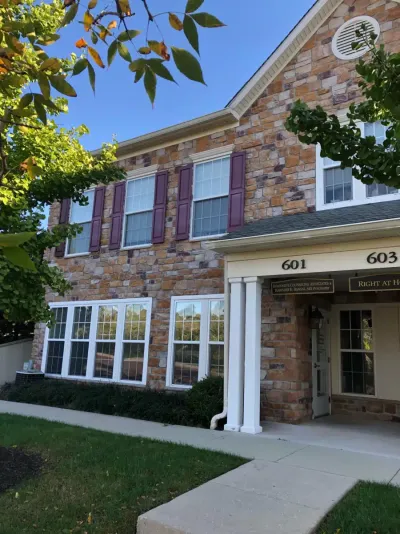
Alternative Counseling Associates
Pottstown, PA
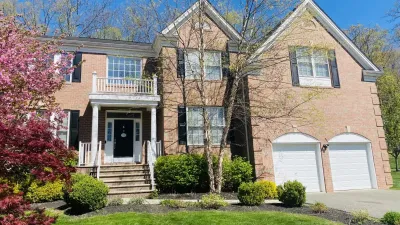
Cambridge Recovery Sober Living
Flanders, NJ
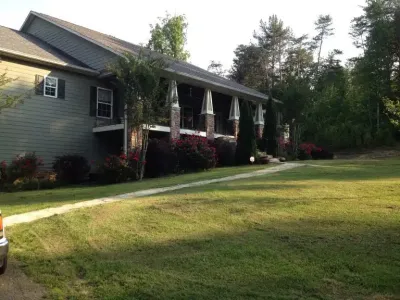
Good Shepherd Recovery House
Jasper, GA
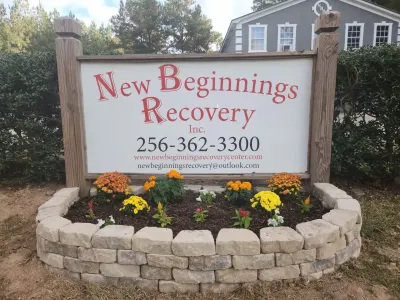
New Beginnings Recovery
Talladega, AL

One Twelve
Hopkins, MN
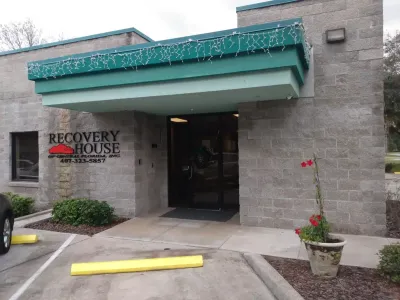
Recovery House of Central Florida
Colonia, FM
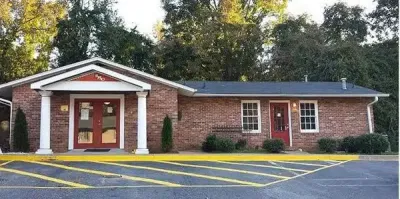
Solutions Recovery Center
Fargo, ND
Related Programs
🏠 Inpatient Rehab
Residential treatment programs providing 24/7 structured care, intensive therapy, and a supportive community environment...
🏥 Outpatient Programs
Flexible treatment programs allowing clients to maintain daily responsibilities while receiving professional care and th...
⚡ Intensive Outpatient Programs (IOP)
Structured treatment programs offering intensive therapy while maintaining daily life, typically 9-20 hours per week....
🏨 Partial Hospitalization Programs (PHP)
Day treatment programs providing comprehensive care 5-7 days per week while clients return home in the evening....
🧬 Detox Programs
Medically supervised withdrawal management ensuring safety and comfort during the initial phase of recovery....
💊 Medication-Assisted Treatment (MAT)
Combines FDA-approved medications with counseling and behavioral therapies for effective treatment of substance use diso...
Frequently Asked Questions
Structured, substance-free housing that supports recovery with community accountability and life skills development.
The cost of Sober Living varies by facility and insurance coverage. Most insurance plans cover addiction treatment. Call (855) 489-3270 for free insurance verification.
Haven Bridge Wellness connects you with accredited Sober Living programs across all 50 states. Call (855) 489-3270 for personalized recommendations.