
What Is Inpatient Rehab?
Inpatient rehabilitation, also known as residential treatment, is the most intensive form of addiction treatment available. Clients live on-site at a treatment facility for the duration of their program, typically ranging from 28 to 90 days, though some programs extend to six months or longer. This immersive approach removes individuals from the environments and triggers that contribute to substance use, allowing them to focus entirely on recovery.
During inpatient rehab, clients participate in a structured daily schedule that includes individual therapy, group counseling, educational workshops, recreational activities, and wellness practices. Medical staff are available around the clock to monitor health, manage withdrawal symptoms, and address any co-occurring medical or mental health conditions.
Who Benefits from Inpatient Rehab?
Inpatient rehab is particularly beneficial for individuals with severe or long-standing addictions, those who have attempted outpatient treatment without success, people with co-occurring mental health disorders, and anyone who needs a safe, substance-free environment to begin their recovery. The structured nature of residential treatment provides the stability and support many people need during the vulnerable early stages of sobriety.
People who lack a stable home environment or who are surrounded by peers who use substances often find inpatient programs especially valuable. The 24/7 supervision and peer community create a protective framework that significantly reduces the risk of early relapse.
What to Expect in an Inpatient Program
Upon admission, clients undergo a thorough assessment that evaluates their medical history, substance use patterns, mental health status, and personal goals. This assessment forms the basis of an individualized treatment plan. Most programs begin with medically supervised detoxification if needed, followed by an intensive therapeutic phase.
A typical day in inpatient rehab might include morning meditation or exercise, individual counseling sessions, group therapy, lunch, educational workshops on topics like relapse prevention and coping skills, recreational activities, dinner, and evening support meetings. Weekends may include family visits, community outings, and additional wellness activities.
Evidence-Based Therapies in Inpatient Settings
High-quality inpatient programs incorporate a range of evidence-based therapeutic modalities. Cognitive Behavioral Therapy (CBT) helps clients identify and change negative thought patterns that drive addictive behaviors. Dialectical Behavior Therapy (DBT) teaches emotional regulation and distress tolerance skills. Motivational Interviewing strengthens internal motivation for change. Trauma-informed care addresses the impact of past experiences on current substance use.
Many programs also integrate holistic approaches such as yoga, mindfulness meditation, art therapy, equine therapy, and adventure therapy. These complementary treatments support overall well-being and provide healthy coping mechanisms that clients can continue after completing their program.
Insurance Coverage for Inpatient Rehab
Thanks to the Mental Health Parity and Addiction Equity Act and the Affordable Care Act, most health insurance plans are required to cover substance abuse treatment, including inpatient rehabilitation. Coverage varies by plan, so it's important to verify your specific benefits before enrolling. Many treatment centers have admissions coordinators who can help navigate insurance verification and explain out-of-pocket costs.
If you're unsure about your coverage, call (855) 489-3270 for a free, confidential insurance verification. Our team can help you understand your options and find a program that fits your needs and budget.
Choosing the Right Inpatient Program
When selecting an inpatient rehab facility, consider factors such as accreditation status, the qualifications of clinical staff, the types of therapies offered, the program's approach to aftercare planning, and the facility's location and amenities. Accreditation by organizations like the Joint Commission indicates that a facility meets high standards of care and safety.
Haven Bridge Wellness connects you with accredited treatment centers across all 50 states. Our network includes programs specializing in various substances, co-occurring disorders, and populations (such as programs for young adults, veterans, or professionals). Contact us at (855) 489-3270 to discuss your specific needs and find the right program.
Featured Treatment Centers
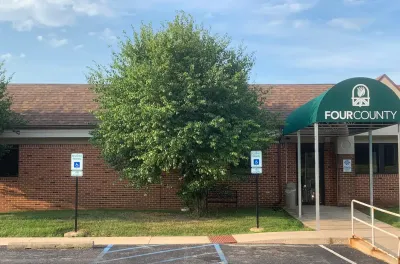
4C Health
Peru, IN

Passages Malibu
Malibu, CA
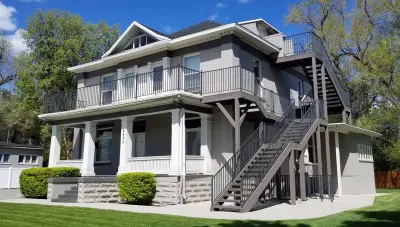
7th Street
Los Angeles, CA

A Better Path Treatment Programs
Lincoln, CA
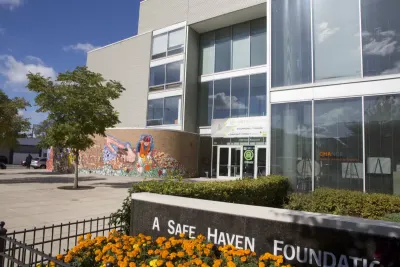
A Safe Haven
Clarksville, AR
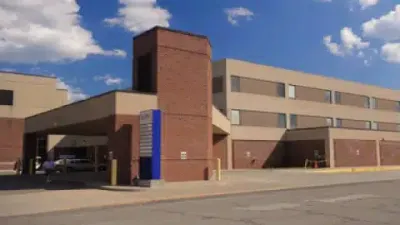
Access Residential
Dayton, OH

Ace Recovery for Men
Chesterfield, SC
Acqua Recovery
Fort Collins, CO
Related Programs
🏥 Outpatient Programs
Flexible treatment programs allowing clients to maintain daily responsibilities while receiving professional care and th...
⚡ Intensive Outpatient Programs (IOP)
Structured treatment programs offering intensive therapy while maintaining daily life, typically 9-20 hours per week....
🏨 Partial Hospitalization Programs (PHP)
Day treatment programs providing comprehensive care 5-7 days per week while clients return home in the evening....
🧬 Detox Programs
Medically supervised withdrawal management ensuring safety and comfort during the initial phase of recovery....
💊 Medication-Assisted Treatment (MAT)
Combines FDA-approved medications with counseling and behavioral therapies for effective treatment of substance use diso...
🏡 Sober Living
Structured, substance-free housing that supports recovery with community accountability and life skills development....
Frequently Asked Questions
Residential treatment programs providing 24/7 structured care, intensive therapy, and a supportive community environment for focused recovery.
The cost of Inpatient Rehab varies by facility and insurance coverage. Most insurance plans cover addiction treatment. Call (855) 489-3270 for free insurance verification.
Haven Bridge Wellness connects you with accredited Inpatient Rehab programs across all 50 states. Call (855) 489-3270 for personalized recommendations.