
Understanding Dual Diagnosis
Dual diagnosis, also called co-occurring disorders, refers to the simultaneous presence of a substance use disorder and a mental health condition. Common co-occurring conditions include depression, anxiety disorders, PTSD, bipolar disorder, ADHD, and personality disorders. Research shows that approximately half of individuals with a substance use disorder also have a co-occurring mental health condition.
These conditions are deeply interconnected: mental health symptoms can drive substance use as a form of self-medication, while chronic substance use can trigger or worsen mental health conditions. Effective treatment must address both conditions simultaneously, as treating one while ignoring the other significantly increases the risk of relapse for both.
Integrated Treatment Approach
Dual diagnosis treatment programs provide integrated care that addresses substance use and mental health conditions concurrently. This typically involves psychiatric evaluation and medication management, individual therapy targeting both conditions, group therapy for substance use and mental health, psychoeducation about the relationship between substances and mental health, and comprehensive aftercare planning for both conditions.
Evidence-based therapies for dual diagnosis include CBT, DBT, trauma-informed care, motivational interviewing, and medication management. The specific combination of approaches is tailored to each individual's unique presentation and needs.
Why Integrated Treatment Matters
Historically, substance use and mental health conditions were treated in separate systems, often leading to fragmented care and poor outcomes. Integrated dual diagnosis treatment has been shown to produce significantly better results, including reduced substance use, improved mental health symptoms, better treatment retention, and higher rates of sustained recovery.
Treating both conditions together allows clinicians to understand how they interact and to develop comprehensive strategies that address the full picture. Medications can be chosen that treat both conditions where possible, and therapy can focus on the underlying mechanisms driving both issues.
Find Dual Diagnosis Programs
Haven Bridge Wellness partners with treatment centers specializing in co-occurring disorder treatment. Call (855) 489-3270 for help finding integrated care.
Featured Treatment Centers

1st Step Referral Services
Ann Arbor, MI

2118 NUWAY Counseling Center
Minneapolis, MN
2nd Chance Mental Health Center
Phoenix, AZ

Ace Recovery for Men
Chesterfield, SC

Acqua Recovery
Fort Collins, CO

Active Recovery
Shreveport, LA
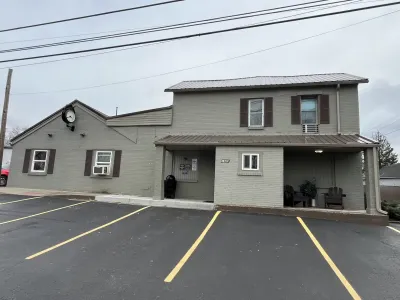
Adams Recovery Center
Lancaster, OH

AdCare Hospital
Worcester, MA
Related Programs
🎒 Teen & Adolescent Treatment
Age-appropriate treatment programs designed specifically for adolescents and young adults....
👨 Men's Treatment Programs
Gender-specific treatment addressing the unique challenges and needs of men in recovery....
👩 Women's Treatment Programs
Gender-responsive treatment addressing the unique needs and experiences of women in recovery....
🌈 LGBTQ+ Treatment Programs
Affirming treatment programs addressing the unique needs of LGBTQ+ individuals in recovery....
🎖️ Veterans Treatment Programs
Specialized treatment programs honoring veterans' service while addressing military-related trauma and addiction....
🙏 Faith-Based Treatment
Treatment programs integrating spiritual practices and faith-based principles with clinical care....
Frequently Asked Questions
Integrated treatment for co-occurring substance use and mental health disorders.
The cost of Dual Diagnosis Treatment varies by facility and insurance coverage. Most insurance plans cover addiction treatment. Call (855) 489-3270 for free insurance verification.
Haven Bridge Wellness connects you with accredited Dual Diagnosis Treatment programs across all 50 states. Call (855) 489-3270 for personalized recommendations.