
Understanding Medical Detoxification
Medical detoxification is the process of safely managing the acute physical and psychological symptoms of withdrawal that occur when a person stops using drugs or alcohol. Detox is typically the first step in addiction treatment, preparing individuals for the therapeutic work that follows. While detox alone is not a complete treatment for addiction, it is a critical foundation for recovery.
Medically supervised detox programs provide 24/7 monitoring by medical professionals who specialize in withdrawal management. This supervision ensures that potentially dangerous withdrawal symptoms are identified and managed promptly, making the process as safe and comfortable as possible.
Why Medical Detox Is Important
Withdrawal from certain substances, particularly alcohol, benzodiazepines, and opioids, can produce serious and potentially life-threatening symptoms. Alcohol withdrawal, for example, can cause seizures, delirium tremens, and cardiovascular complications. Opioid withdrawal, while rarely life-threatening, produces intensely uncomfortable symptoms that frequently lead to relapse without medical support.
Medical detox programs use evidence-based protocols and medications to manage withdrawal symptoms, reduce discomfort, and prevent complications. Medications commonly used during detox include benzodiazepines for alcohol withdrawal, buprenorphine or methadone for opioid withdrawal, and various supportive medications for symptom management.
What Happens During Detox
The detox process begins with a comprehensive medical evaluation, including physical examination, laboratory tests, and assessment of substance use history. Based on this evaluation, the medical team develops an individualized detox plan. Throughout the process, vital signs and symptoms are monitored regularly, and medications are adjusted as needed.
The duration of detox varies depending on the substance, the severity of dependence, and individual factors. Alcohol detox typically takes 5 to 7 days, opioid detox may take 5 to 14 days, and benzodiazepine detox can require a gradual taper over several weeks. During this time, clients receive nutritional support, hydration, and emotional encouragement.
After Detox: The Next Steps
Completing detox is an important achievement, but it is only the beginning of the recovery journey. Detox addresses the physical dependence on substances, but the underlying psychological, behavioral, and social factors that drive addiction require ongoing treatment through therapy and counseling.
Most detox programs work closely with treatment providers to facilitate a smooth transition to the next level of care, whether that is inpatient rehab, partial hospitalization, intensive outpatient treatment, or outpatient counseling. This continuity of care is essential for building a strong foundation for lasting recovery.
Find Safe Detox Near You
Haven Bridge Wellness connects you with medically supervised detox programs across the country. Our network includes facilities that specialize in detox from alcohol, opioids, benzodiazepines, stimulants, and other substances. Call (855) 489-3270 for immediate assistance finding a safe, comfortable detox program.
Featured Treatment Centers

2nd Chance Treatment Center
Phoenix, AZ

2nd Chance Treatment Center
Phoenix, AZ

Passages Malibu
Malibu, CA
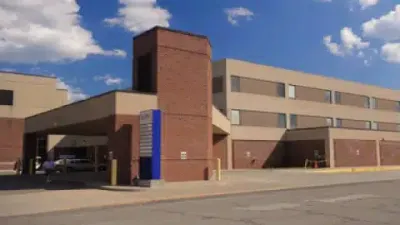
Access Residential
Dayton, OH
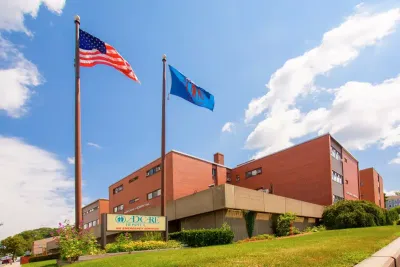
AdCare Hospital
Worcester, MA
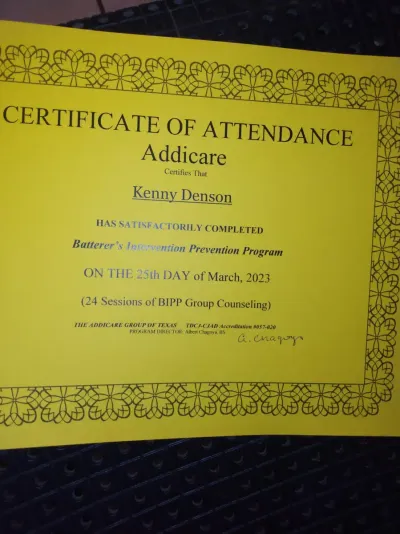
Addicare Group of Texas
Garland, TX

Addiction Recovery Care Association
Cardiff by the Sea, CA
Addiction Recovery Medical Services
Cardiff by the Sea, CA
Related Programs
🏠 Inpatient Rehab
Residential treatment programs providing 24/7 structured care, intensive therapy, and a supportive community environment...
🏥 Outpatient Programs
Flexible treatment programs allowing clients to maintain daily responsibilities while receiving professional care and th...
⚡ Intensive Outpatient Programs (IOP)
Structured treatment programs offering intensive therapy while maintaining daily life, typically 9-20 hours per week....
🏨 Partial Hospitalization Programs (PHP)
Day treatment programs providing comprehensive care 5-7 days per week while clients return home in the evening....
💊 Medication-Assisted Treatment (MAT)
Combines FDA-approved medications with counseling and behavioral therapies for effective treatment of substance use diso...
🏡 Sober Living
Structured, substance-free housing that supports recovery with community accountability and life skills development....
Frequently Asked Questions
Medically supervised withdrawal management ensuring safety and comfort during the initial phase of recovery.
The cost of Detox Programs varies by facility and insurance coverage. Most insurance plans cover addiction treatment. Call (855) 489-3270 for free insurance verification.
Haven Bridge Wellness connects you with accredited Detox Programs programs across all 50 states. Call (855) 489-3270 for personalized recommendations.